Once a sleepy satellite township, Navi Mumbai is rapidly emerging as India’s next major commercial and investment hub. With planned infrastructure, ample real estate, excellent connectivity, and a business-friendly ecosystem, it’s positioning itself as a viable alternative to overcrowded and expensive Mumbai.
In this blog, we’ll explore what’s fueling this transformation, why businesses and investors are flocking here, and whether Navi Mumbai might just be your next big opportunity.
Table of Content
- 1. The Vision Behind Navi Mumbai
- 2. Key Infrastructure Projects Driving Growth
- 3. Strategic Location & Connectivity
- 4. Emerging Business Districts & Commercial Zones
- 5. Real Estate Market: Scope and Trends
- 6. Government Initiatives & Urban Planning
- 7. Sector-Wise Opportunities
- 8. Challenges to Consider
- 9. Future Outlook & Investment Tips
- 10. Conclusion
1. The Vision Behind Navi Mumbai
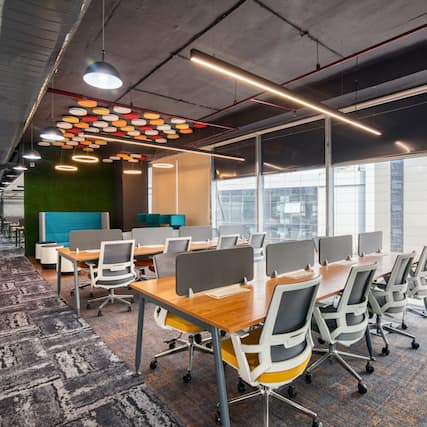
Navi Mumbai was built as a planned city, and with a vision. Planning would be not possible without a vision. And it was a vision of having a planned, well-connected and clean city that drove the building part.
A Planned Urban Alternative
Navi Mumbai was conceptualized in the 1970s by CIDCO (City and Industrial Development Corporation) as a planned twin city to decongest Mumbai. The goal? Create a self-sustaining urban ecosystem with residential, commercial, and industrial zones.
Key Goals
- Balance urban migration
- Decongest Mumbai’s central business areas
- Develop a smart, livable, and green city
2. Key Infrastructure Projects Driving Growth
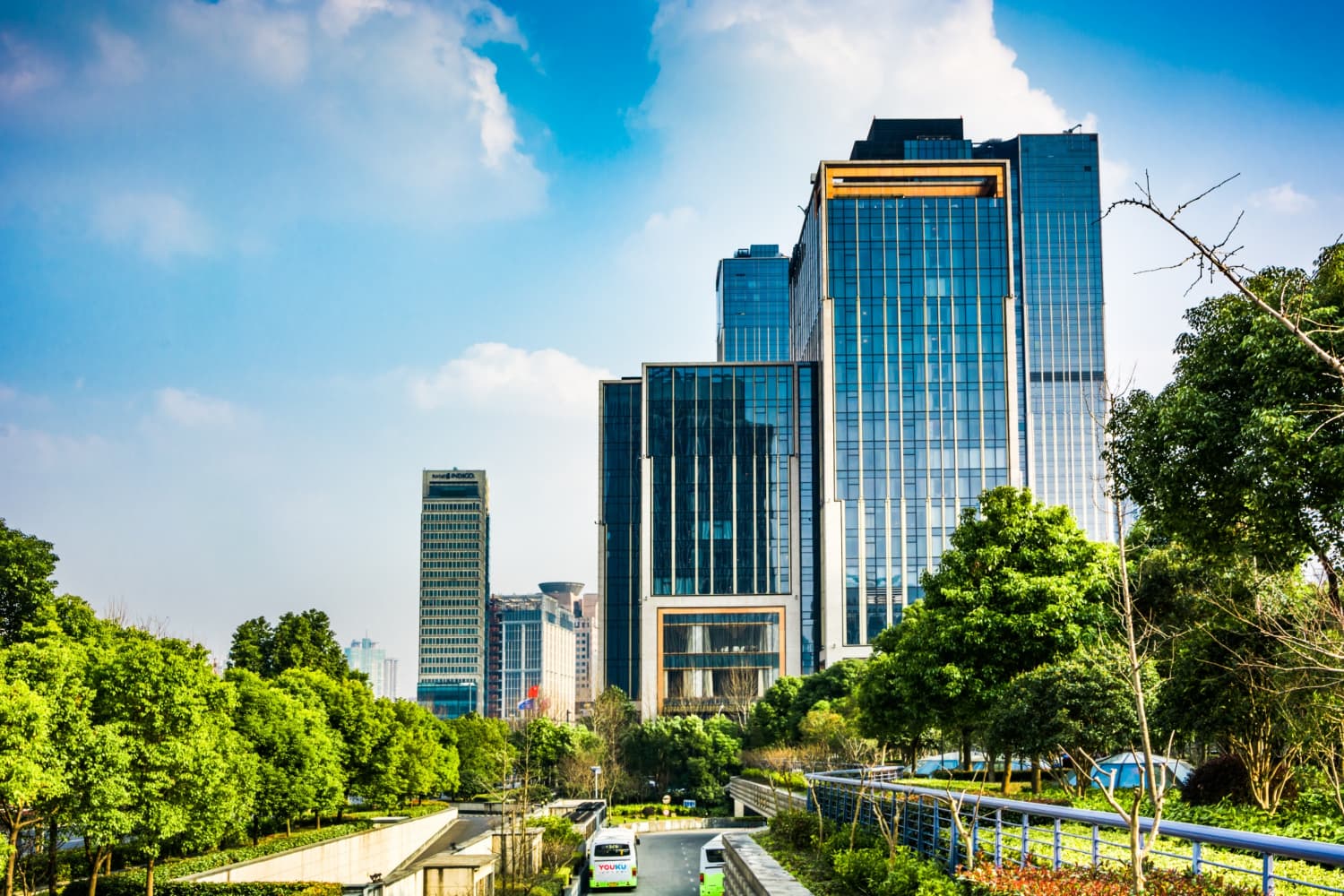
Infrastructure is the foundation of Navi Mumbai’s commercial ascent. Several mega projects are transforming it into a business-ready city.
I. Navi Mumbai International Airport (NMIA)
The upcoming airport in Navi Mumbai is a driver of Navi Mumbai’s future.
- One of India’s largest Greenfield airports
- Phase 1 expected completion: 2025
- Projected passenger capacity: 60 million/year
Impact: Attracting logistics hubs, MNCs, aviation, and hospitality businesses. Many businesses are setting up their shops here. Corporates are also investing in commercial spaces.
II. Mumbai Trans Harbour Link (MTHL)
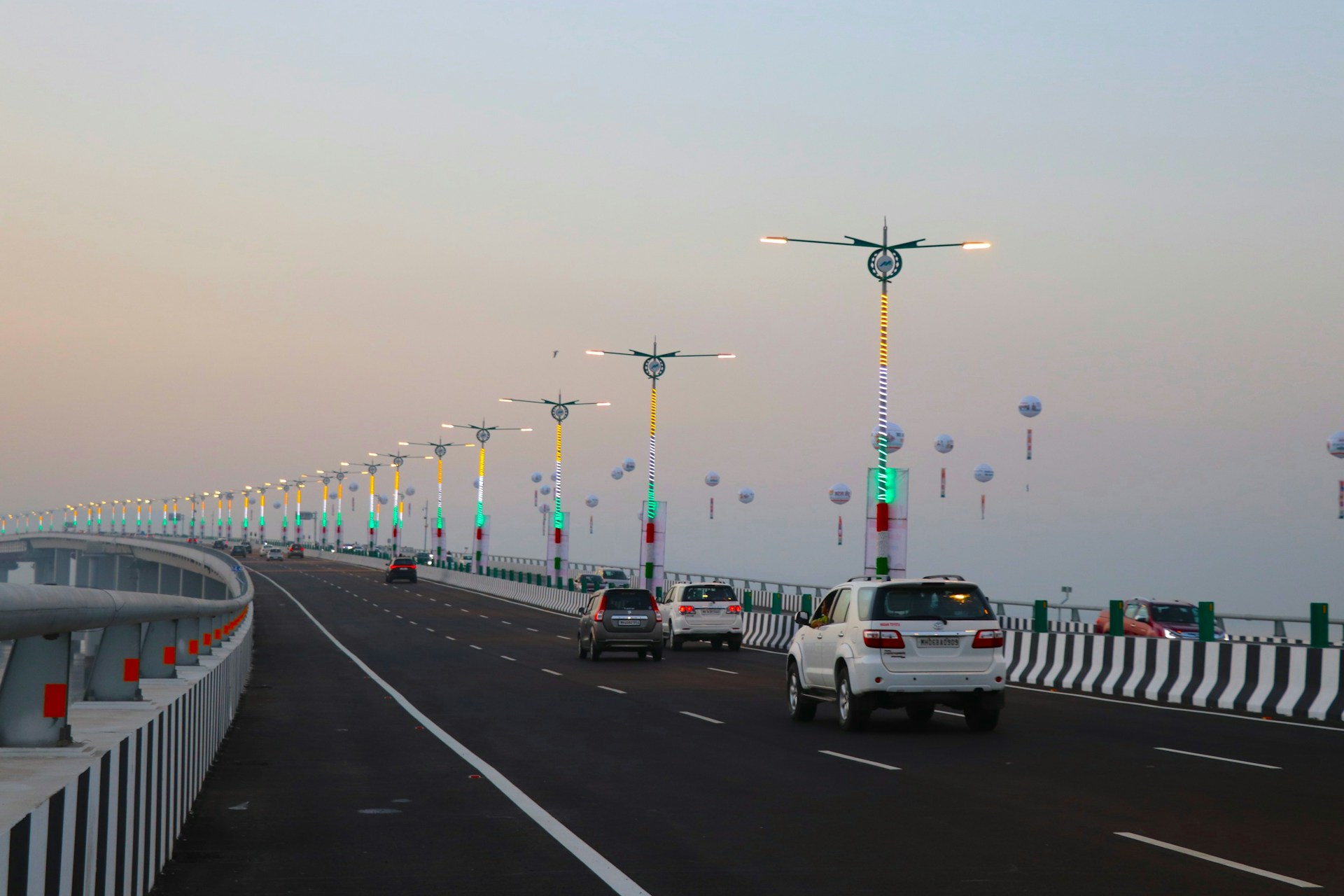
The MTHL also know as Atal Setu, has made the distance shorter between Mumbai & Navi Mumbai. Mantralaya, the power seat of the Maharashtra Government and the prestigious South Mumbai has been linked to Navi Mumbai directly.
- A 22 km sea bridge connecting Navi Mumbai to South Mumbai
- Travel time reduction: 90 to 30 minutes
Impact: Makes Navi Mumbai viable for daily business commuters. With the resuction in the toll rates it will be a favorite option to commute.
III. Navi Mumbai Metro
Multiple lines are in progress to connect Navi Mumbai with other regions of the MMR. Phase I (Belapur-Pendhar) is already operational
- Phase 1: Belapur to Pendhar (11 km)
- Improved local commute and last-mile connectivity
IV. JNPT Port Expansion
Another work in progress, will boost Navi Mumbai's economic viability.
- India’s largest container port
- Expansion to support growing international trade
3. Strategic Location & Connectivity
Navi Mumbai is strategically positioned between Mumbai, Pune, and Thane, offering access to:
- Mumbai via Eastern Expressway and suburban rail
- Pune via Mumbai-Pune Expressway
- Upcoming Coastal Road projects and expanded Sion-Panvel Highway
Result: Businesses get access to talent pools and customers from three major urban markets.
4. Emerging Business Districts & Commercial Zones
Navi Mumbai was developed with economic growth and self-sustaining model in mind. It was never supposed to be a fully residential or commercial hub alone.
Well established nodes are now being modernised and redeveloped with modern and future proof infrastructure.
CBD Belapur
Home to major banks, IT parks, and government offices. It is the central business district where you will find offices of many companies, both government and private.
CIDCO Bhavan, Konkan Bhavan, RBI regional branches are present. So are well-known hotel brands, showrooms and corporates.
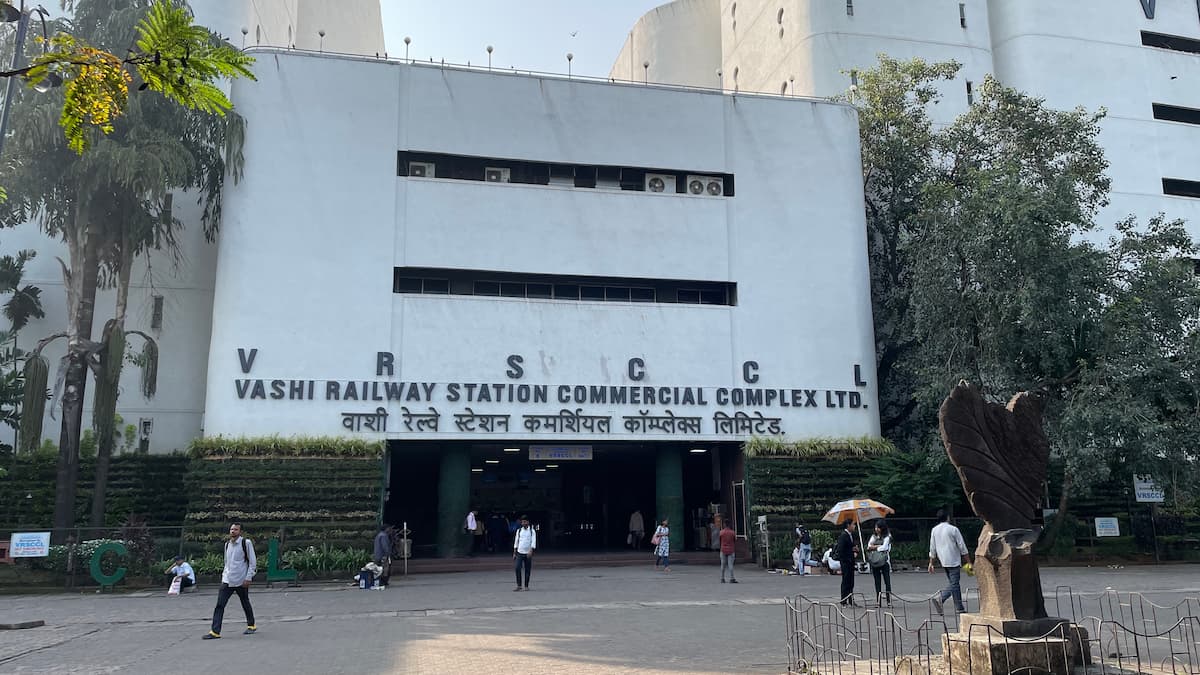
Vashi & Turbhe
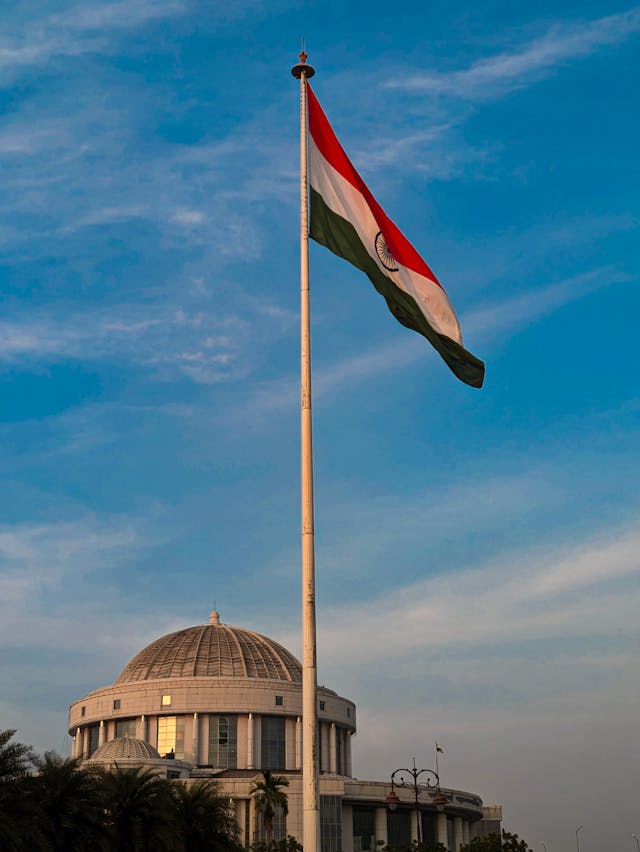
Older hubs now transforming into high-rise commercial spaces. Ideal for startups, SMEs, and IT firms.
The Vashi-Sanpada-Turbhe belt is witnessing transformation at a different level. Many commercial buildings and towers are being built for accomodating the future growth transforming the real estate landscpae in Vashi
Kharghar & Panvel
The proximity to the airport and upcoming metro lines is pushing the transformation. Though the growth is much slower when compared to Vashi and other areas still they are gaining traction.
5. Real Estate Market: Scope and Trends
Commercial Property Trends (2023–2024)
| Location | Avg Price/Sq. Ft (₹) | YoY Growth |
|---|---|---|
| Vashi | ₹18,000 – ₹23,000 | 12–15% |
| Belapur | ₹15,000 – ₹20,000 | 10% |
| Kharghar | ₹10,000 – ₹14,000 | 18% |
| Panvel | ₹8,000 – ₹12,000 | 20%+ |
Investor Insight: Navi Mumbai offers lower entry costs with higher appreciation potential than Mumbai proper.
6. Government Initiatives & Urban Planning
CIDCO’s Role
CIDCO has led the planned development of housing, educational institutions, healthcare and recreational zones.
The planned development lead by CIDCO has been instrumental in the growth story.
Smart City Mission
Navi Mumbai is a part of India’s Smart City Project, with:
- Integrated command & control centers
- Traffic automation
- Waste management systems
- High-speed internet infrastructure
7. Sector-Wise Opportunities
Navi Mumbai offers a good chunk of opportunities for the average investor and seasoned investors alike.
Information Technology
Noted IT Companies of the world are present here already. Smaller IT firms have presence all over Navi Mumbai. TCS, L&T Infotech, and Wipro have their presence. So does Accenture & Capgemini. Upcoming SEZs will also strengthen the IT scene in the city.
Logistics & Warehousing
NMIA and JNPT proximity makes it a logistics goldmine. Panvel and Taloja have seen rising warehousing demand.
Container Yards on the outskirts of Panvel & the presence of CHA and shipping companies in Belapur have made the city a favorite for logistics.
Hospitality & Retail
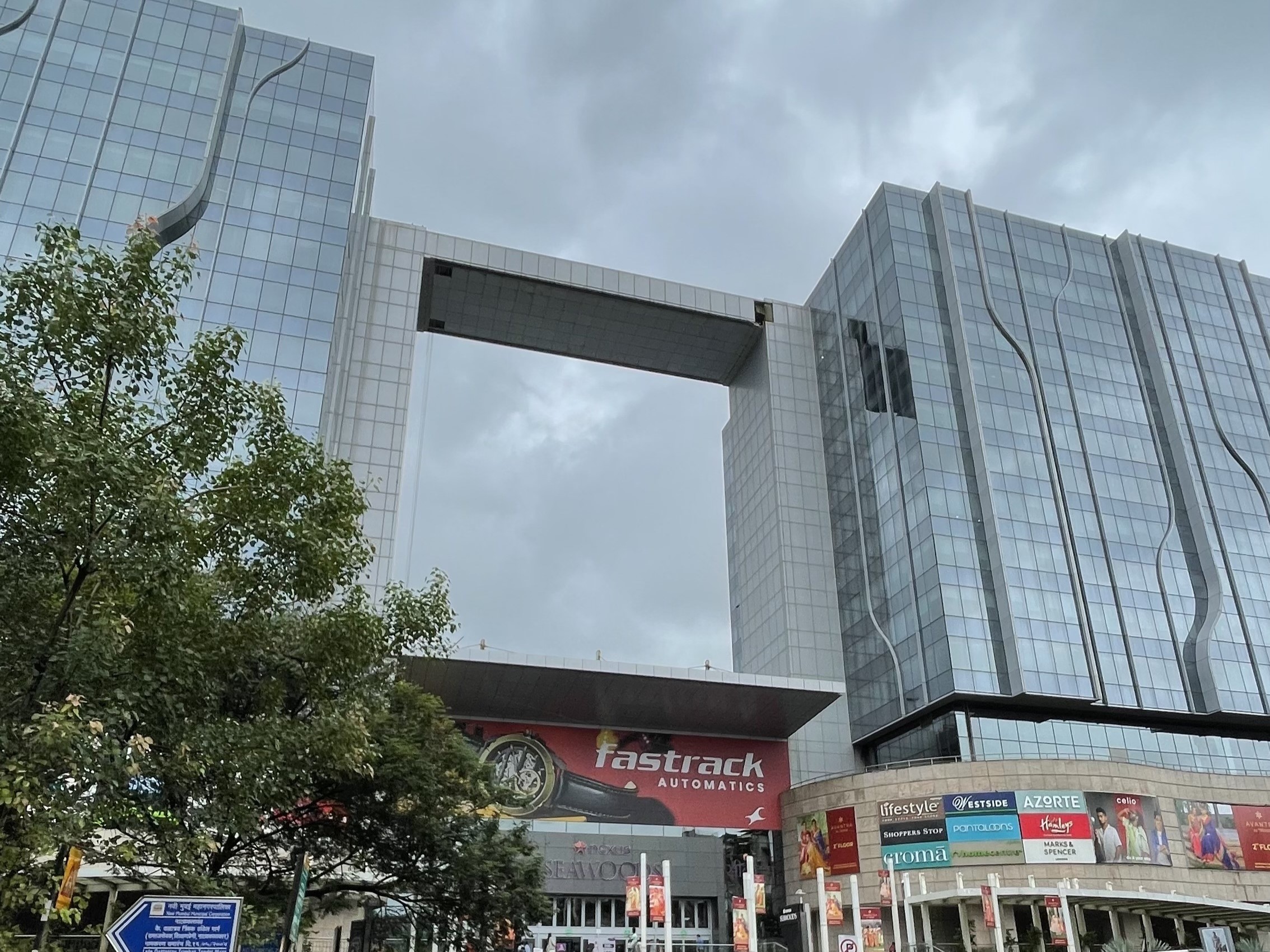
Airport and metro will fuel hotel and retail growth. Malls, multiplexes, and high-street retail expanding in Vashi and Kharghar.
Malls such as the Seawoods Grand Central & Inorbit, Vashi are popular hangouts and shopping destinations.
Education & Healthcare
Top institutes like NIFT, DY Patil, NMIMS have their campuses here. Many schools, from different borads are sought after by the residents.
On the healthcare front, there are a number of hospitals present for treatment. Demand for super-specialty hospitals is also growing.
8. Challenges to Consider
While the prospects are bright, here are a few caveats:
- Regulatory delays (e.g., NMIA land acquisition)
- Infrastructure bottlenecks in peripheral zones
- Environmental concerns due to rapid development
- Over-speculation in real estate if unchecked
Though we can be optimistic, any investment is not void of any caveats. One should always checka few things and invest.
9. Future Outlook & Investment Tips
5-Year Growth Forecast
| Indicator | 2025 Projection |
|---|---|
| Commercial Property ROI | 15–20% |
| Employment Growth | 25%+ |
| Business Registrations | 2x Increase |
Investment Tips
- Invest near infrastructure corridors (Metro, MTHL, NMIA)
- Explore co-working spaces for short-term returns
- Partner with local real estate consultants to navigate regulations
- Act early: Prices are still competitive
Conclusion
Navi Mumbai’s commercial future is now. Navi Mumbai is no longer just a residential spillover—it’s poised to become India’s next commercial capital. Thanks to visionary planning, mega infrastructure, and rising investor confidence, it’s attracting everyone from global corporations to solo entrepreneurs.
Whether you're looking to set up shop, invest in office space, or capitalize on long-term appreciation—Navi Mumbai offers unmatched potential in 2025 and beyond.

Registered Real Estate Broker & Advisor. Guiding first-time homeowners and millenials make best choices in real estate.
Danish LalaReal Estate Advisor & Broker