Building a structure whether residential, commercial, or industrial is a step-by-step process. Once the foundation is complete, the project moves through multiple stages before the building is ready for occupancy. Understanding the different stages of building construction is crucial for anyone involved, from a prospective homeowner to a seasoned professional.
This guide will walk you through each phase, from the initial idea to the final handover, and provide insights into the typical timelines involved.
Phase 1: Planning & Design
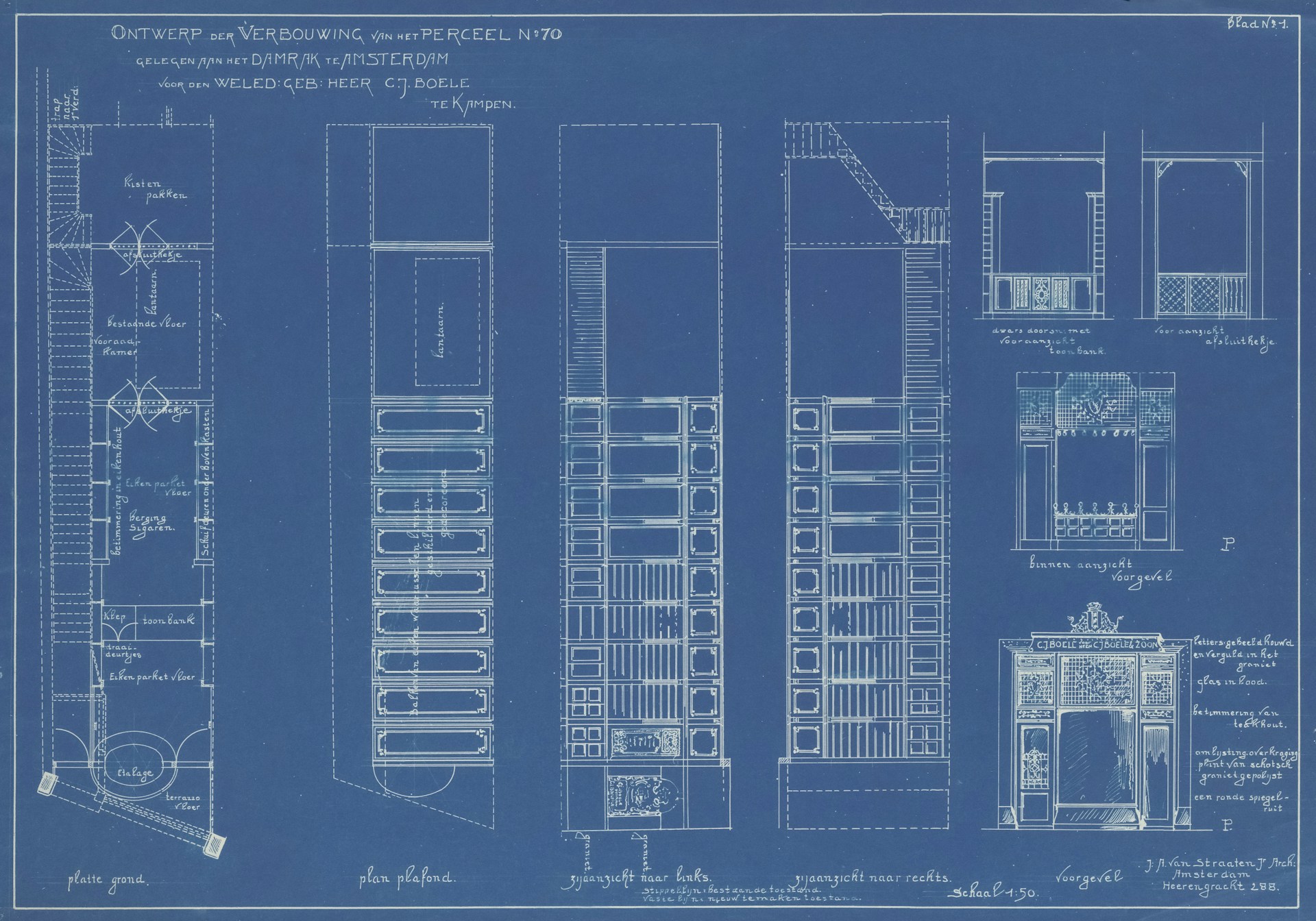
This is where your vision is translated into a tangible blueprint. It's the most critical stage, as decisions made here will impact every subsequent step.
What happens during this stage?
- Feasibility Study & Site Analysis: The team assesses the project's viability, including soil testing, environmental impact, and legal clearances. This ensures the land is suitable for construction.
- Architectural & Structural Design: Architects create the building's aesthetic and functional layout, while structural engineers design the skeleton (columns, beams, slabs) to ensure it is safe and robust.
- Permits & Approvals: This involves submitting detailed plans to local government bodies to secure all necessary permits. This can be a lengthy process, often taking anywhere from 1 to 3 months or more, depending on local regulations.
How long does the planning and design stage take?
For a typical residential project, this phase can take between 2 to 6 months. This includes finalizing designs, selecting materials, and obtaining all required permits.
Why is this stage so important?
A well-thought-out plan minimizes costly changes and delays during the actual construction, ensuring the project stays on budget and on schedule.
Phase 2: Pre-Construction & Foundation Work
With the designs and permits in hand, the focus shifts to preparing the site for construction. This stage is markes theastart of on-site activities. It is the precursor to the construction activities.
What happens during this stage?
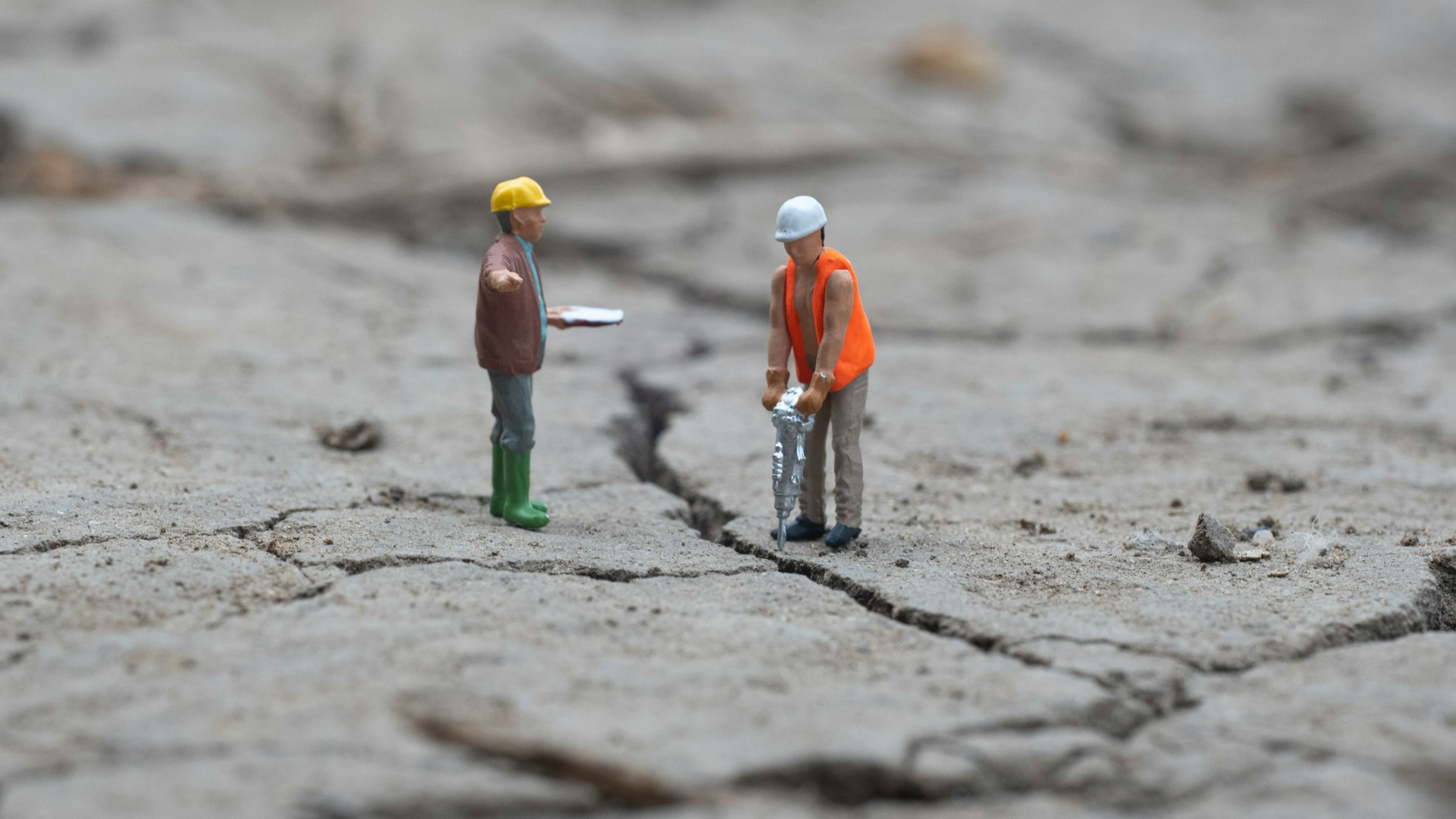
- Site Preparation: The site is cleared of debris, vegetation, and any existing structures. The land is then leveled and graded according to the plan.
- Excavation: Trenches and holes are dug for the foundation, basement, or any underground utilities.
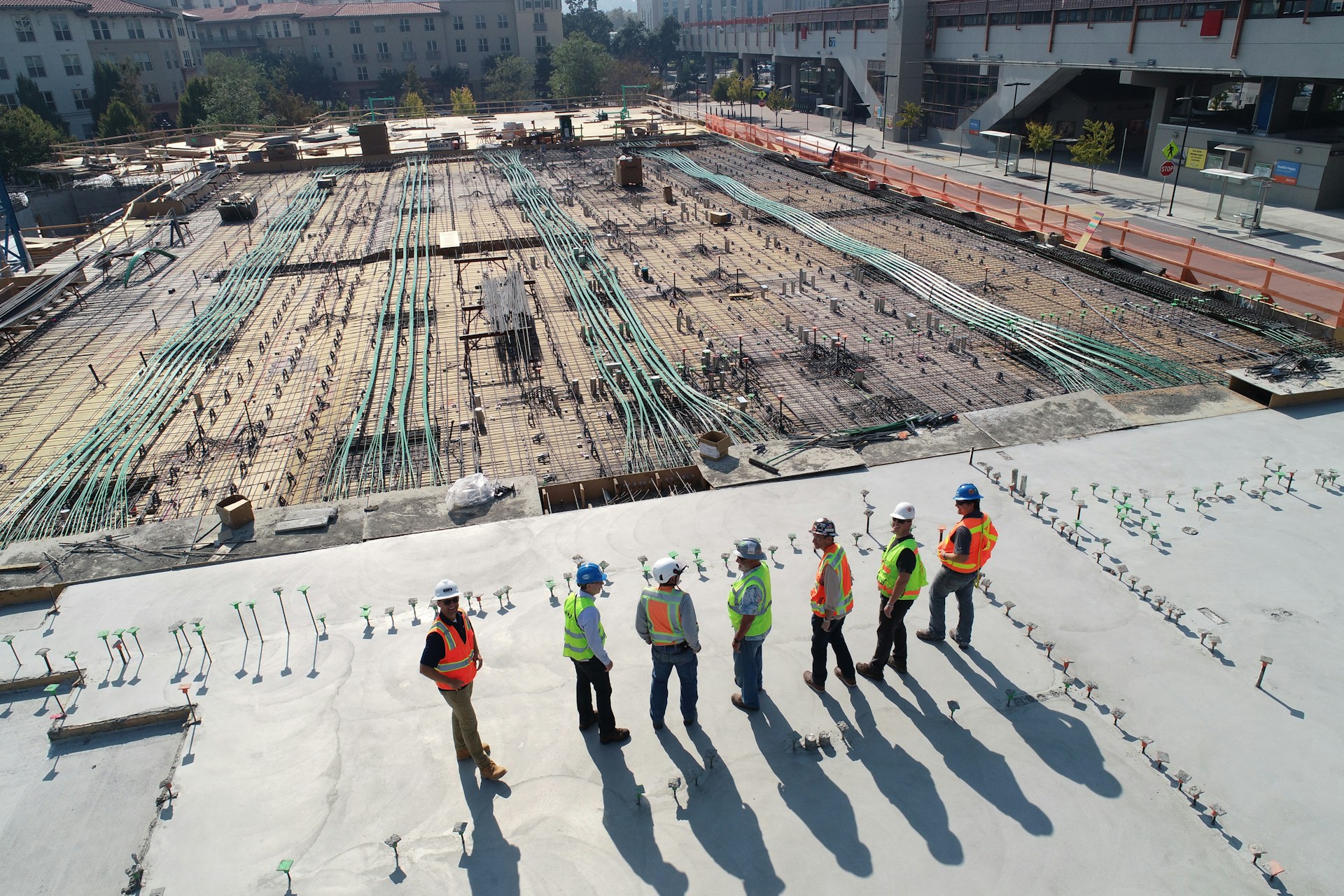
- Foundation Laying: This is arguably the most crucial physical step. The foundation is the part of the structure that transfers all the building's weight to the ground. It involves laying the footings, building the foundation walls, and pouring the concrete.
How long does foundation work take?
This stage typically takes 2 to 3 months, but it can be affected by multiple factors such as weather conditions and the complexity of the foundation design.
Also the magnitude of the design can impact the timeline. A foundation spread over an acre of land will take more time than one spread in a few gunthas.
What comes after foundations in construction?
Once the foundation is cured and backfilled, the project moves on to the superstructure, which is the above-ground part of the building.
Phase 3: Superstructure & Masonry
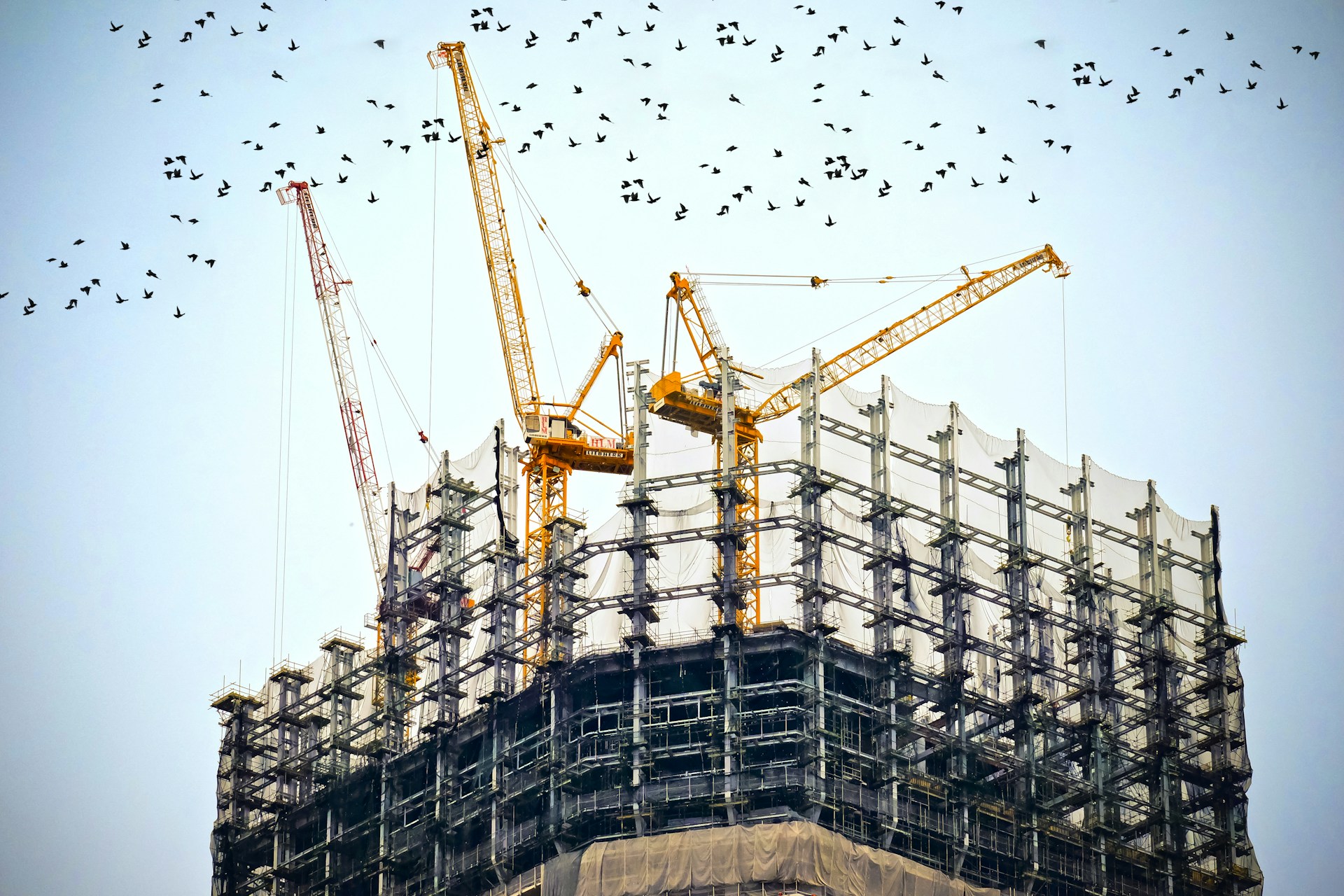
This is when the building's skeleton takes shape, and you can see your project literally rise from the ground. The structure is built from ground up.
What happens during this stage?
- Framing: The framework of the building, including columns, beams, and slabs, is erected using reinforced cement concrete (RCC) or steel.
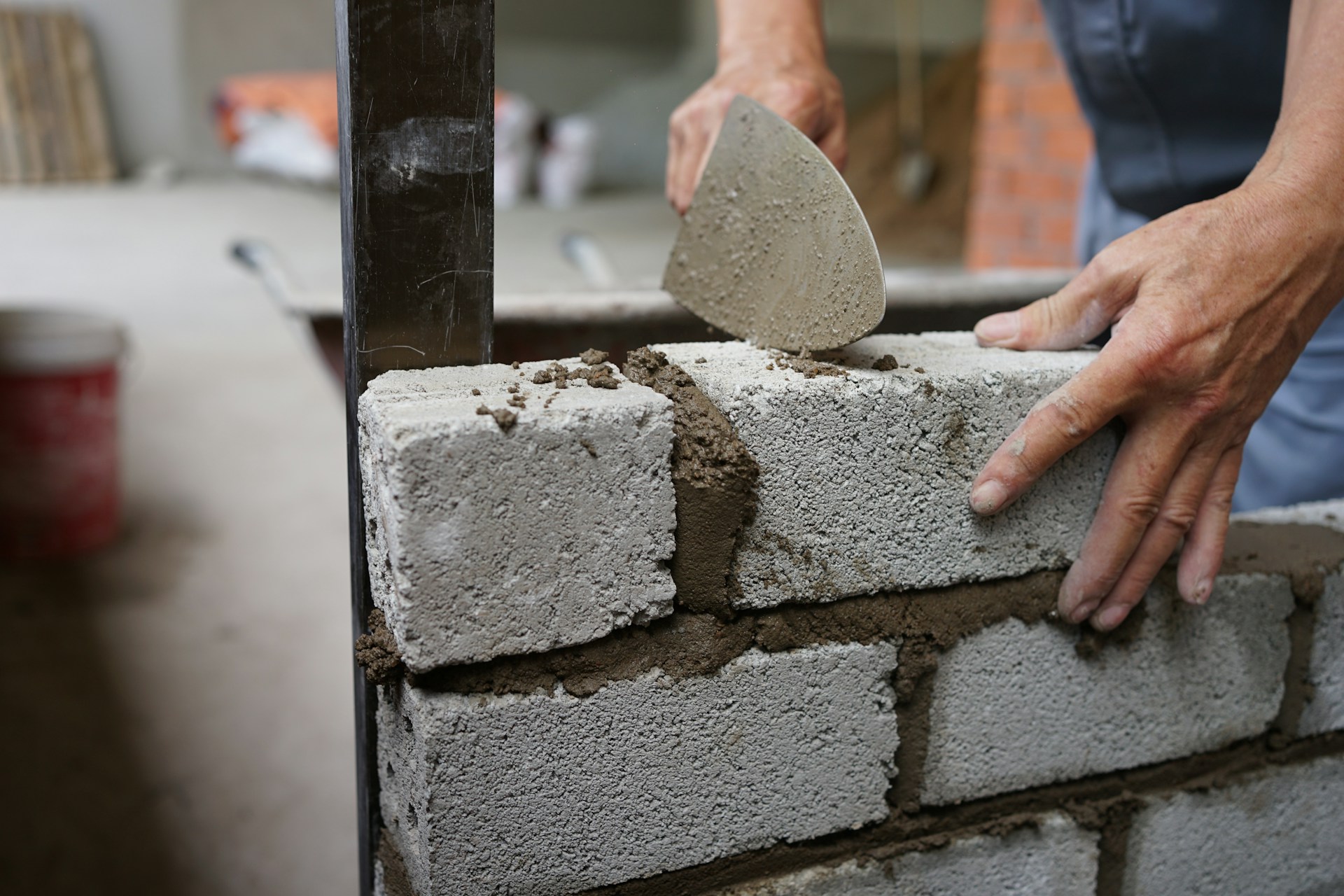
- Masonry Work: All external and internal walls are constructed using bricks, concrete blocks, or other masonry units. This process divides the building into its various rooms and spaces.
- Roofing: The roof structure is built, and roofing materials are installed to protect the building from the elements.
How long does it take to frame a building?
The framing of the structure can take upto 2 weeks per floor for a multi-story building. This timeline depends on the technology being used for construction.
A 30-storey residential building can easily take around 10-12 months for the floors to be framed.
What is the difference between framing and masonry?
Framing creates the primary structural skeleton, while masonry work fills in the walls to enclose the space and create rooms. Normally, framing is completed first and you can the structure. After the floors are done the masonry work starts.
Masonry is done either with clay bricks or with concrete blocks which are currently the best choice.
Phase 4: Mechanical, Electrical, & Plumbing (MEP) & Finishing Work (Rough-Ins)
With the structure complete and the building enclosed, the focus shifts to making it functional. This is where the bones get the flesh and the skin.
What happens during this stage?
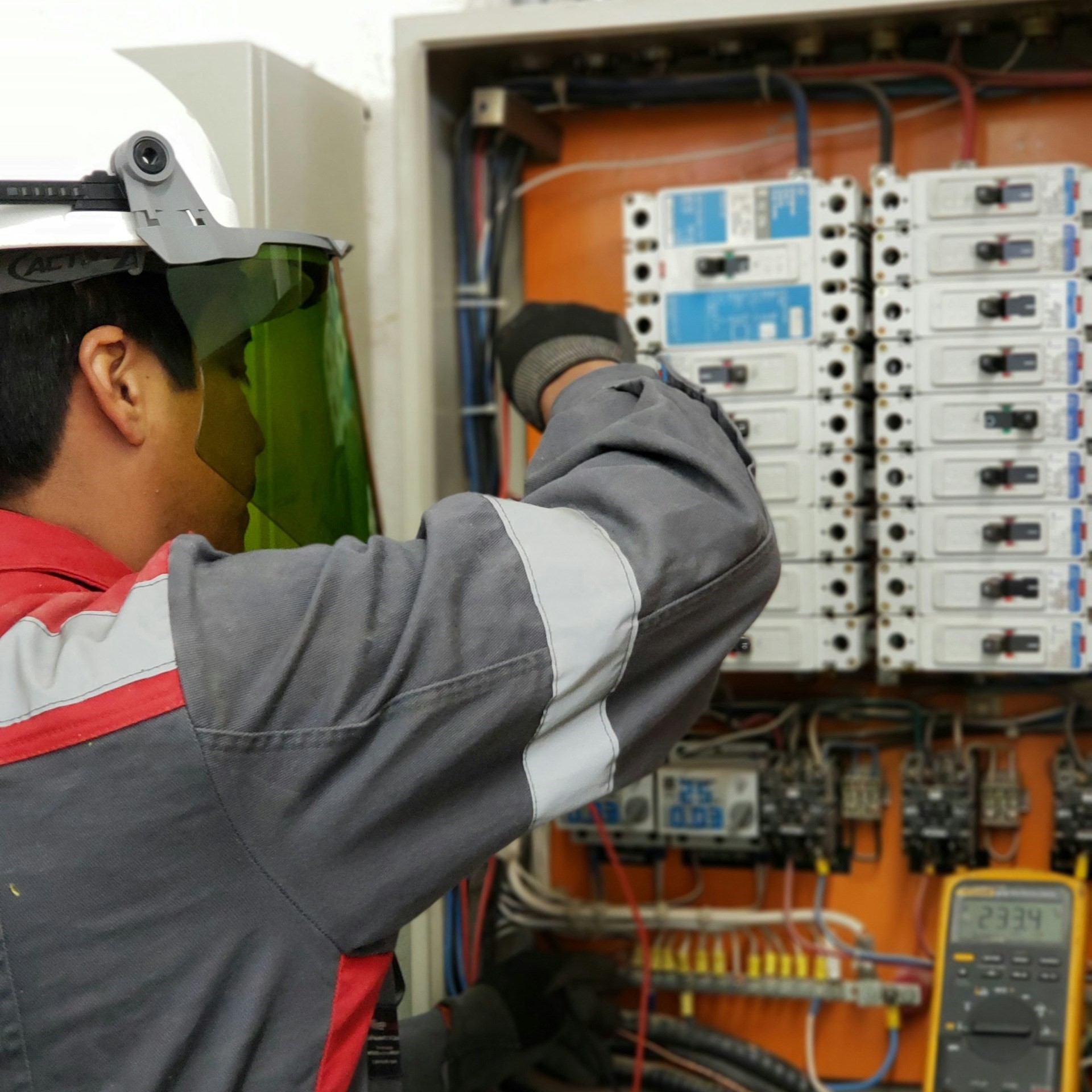
- MEP Rough-Ins: This is the installation of all the hidden systems that make a building livable. Electricians install conduits and wiring, plumbers lay pipes for water supply and drainage, and HVAC professionals install ductwork.
- Plastering: The internal and external walls are plastered to create a smooth, finished surface. The plater work makes the structure water proof and prevents leakages inside the homes.
- Door & Window Installation: Door and window frames are fitted into the designated openings. Thus, the structure gets it's access barrier installed.
How long does the MEP rough-in stage take?
This phase typically takes 1 to 2 months, but can take more time depending on the number of floors and plans. It often overlaps with other stages, so careful coordination is essential.
Why is this stage so important?
The rough-ins are almost impossible to change once the walls are plastered and finished, making precision and a detailed plan critical.
Phase 5: Interior & Exterior Finishes
This is the final stretch where the house truly becomes a home.
What happens during this stage?
- Flooring & Tiling: Tiles, stone, or other flooring materials are laid in all the rooms, bathrooms, and common areas.
- MEP Finishes: The exposed parts of the MEP systems are installed, including electrical switches, light fixtures, faucets, sinks, and sanitary fittings.
- Painting & Carpentry: The walls are painted, and final carpentry work, such as built-in cabinets, wardrobes, and kitchen countertops, is completed.
- External Finishes: The exterior of the building is finished with paint, cladding, or other materials, and external site work like driveways and landscaping is completed.
How long does this final stage take?
The finishing work is often the longest phase and can take anywhere from 4 to 6 months, depending on the level of customization and the complexity of the design.
Can interior work start while the exterior is still in progress?
Yes, these stages often overlap to save time. But one should remember this interior work is a part of the building design, done by the developer and not by home-owners or buyers.
Phase 6: Post-Construction & Handover
The project is nearly complete. This stage is all about final checks and handing over the keys.
What happens during this stage?
- Final Inspections: The building undergoes a final inspection by a government authority to ensure it is compliant with all codes and is safe for occupancy.
- Punch List Completion: A "punch list" of minor items or defects is created and addressed by the contractor.
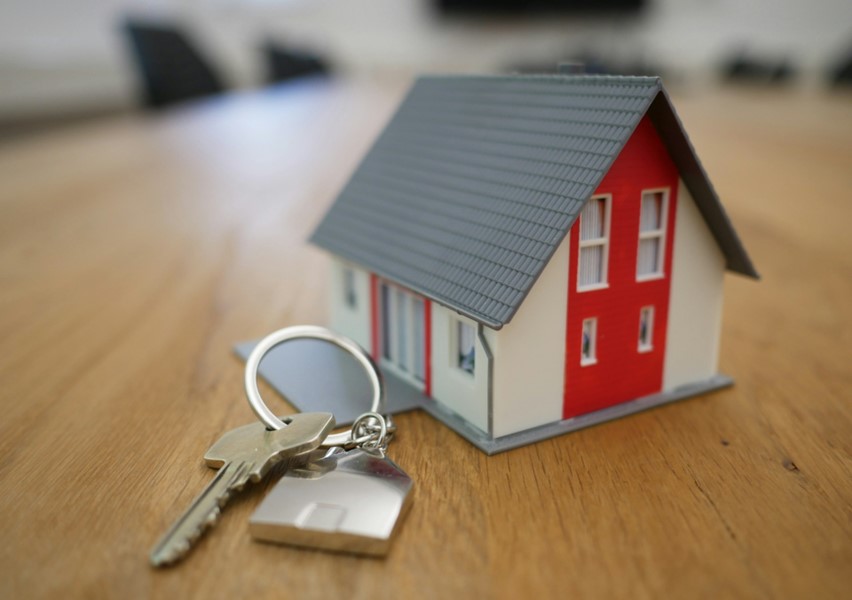
- Handover: The keys, along with all necessary documents (warranties, manuals, completion certificates), are formally handed over to the owner.
How long does the handover process take?
This is a relatively short phase, typically taking 2 to 4 weeks. The timeline depends on the approvals from relevant authorities.
The handover process will only happen on the receipt of "Occupancy Certificate". Without an OC, the builder will not give the handover.
What is a Certificate of Occupancy?
Certificate of Occupancy, also known as Occupancy Certificate (OC) is a critical document issued by the local authority that confirms the building is legally and safely habitable.
Final Thoughts
Understanding the stages of building construction helps you manage expectations, make informed decisions, and appreciate the immense effort that goes into creating a structure. While timelines can vary greatly based on project size, complexity, and unforeseen circumstances like weather, having a clear roadmap is invaluable.
If you are considering a construction project and need expert guidance, our team is here to help. We provide personalized consultation and support at every step of the journey, ensuring your project is completed seamlessly, on time, and to the highest standards.
Contact us today to turn your vision into a reality.

Registered Real Estate Broker & Advisor. Guiding first-time homeowners and millenials make best choices in real estate.
Danish LalaReal Estate Advisor & Broker